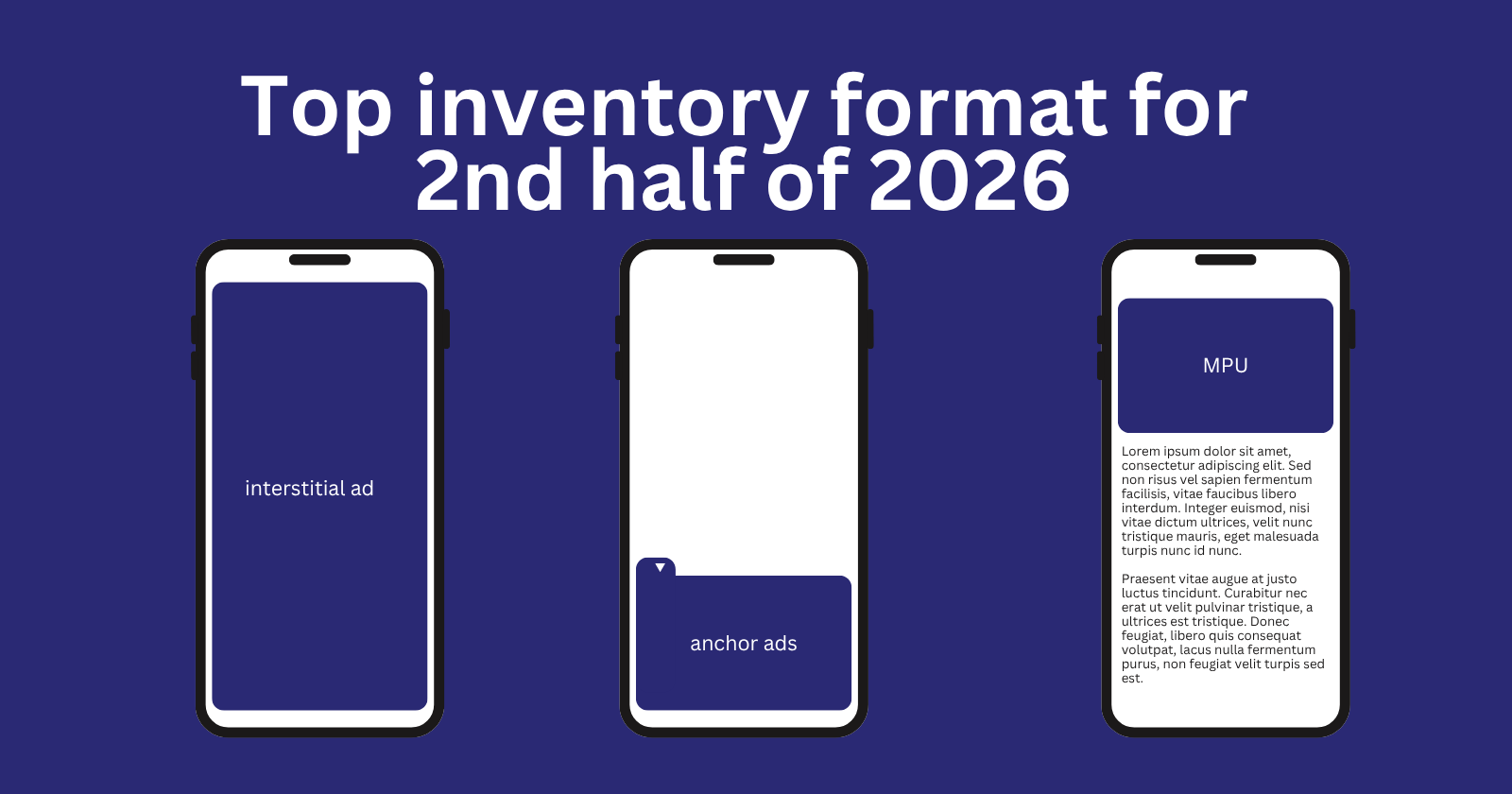
In the world of digital publishing, not all ad impressions are created equal. You could have two websites with identical traffic, yet one might earn double the revenue simply because of how they’ve structured their “inventory.”
As we move through the second half of 2026, the digital advertising landscape has shifted. We are no longer in an era where you can just “slap a banner on it” and hope for the best. Advertisers are now hyper-focused on viewability, engagement, and—most importantly—how an ad affects the user’s journey.
If you want to maximize your site’s earning potential, you need to understand which formats are currently dominating the market and, crucially, why they command higher premiums. Here is a deep dive into the top-performing inventory formats for today’s publishers.
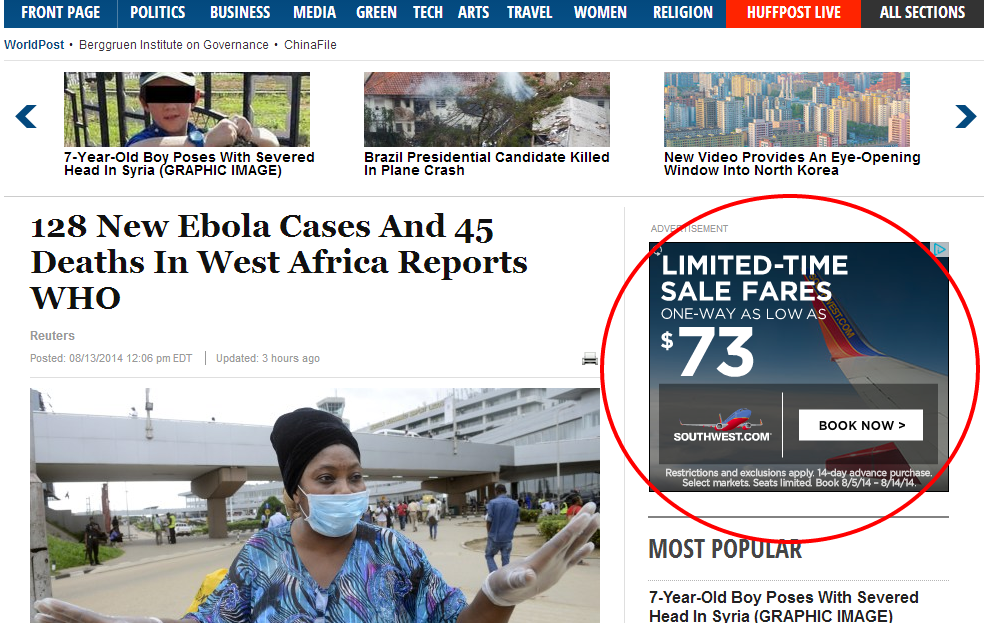
1. The Medium Rectangle (300×250)
If there is one “king” of display advertising, it is the 300×250 medium rectangle. Despite being one of the oldest sizes in the book, it remains the most sought-after inventory by advertisers globally.
Why it performs:
-
Versatility: It is small enough to fit in a sidebar but large enough to sit comfortably within the flow of an article.
-
Competition: Because almost every advertiser has a 300×250 creative ready to go, the auction pressure for this slot is immense. High competition leads to higher CPMs.
-
Viewability: When placed “above the fold” or embedded within high-engagement text, it consistently scores high viewability marks, which is a key metric for premium programmatic buyers.
2. The Revenue Accelerator: Interstitial Ads
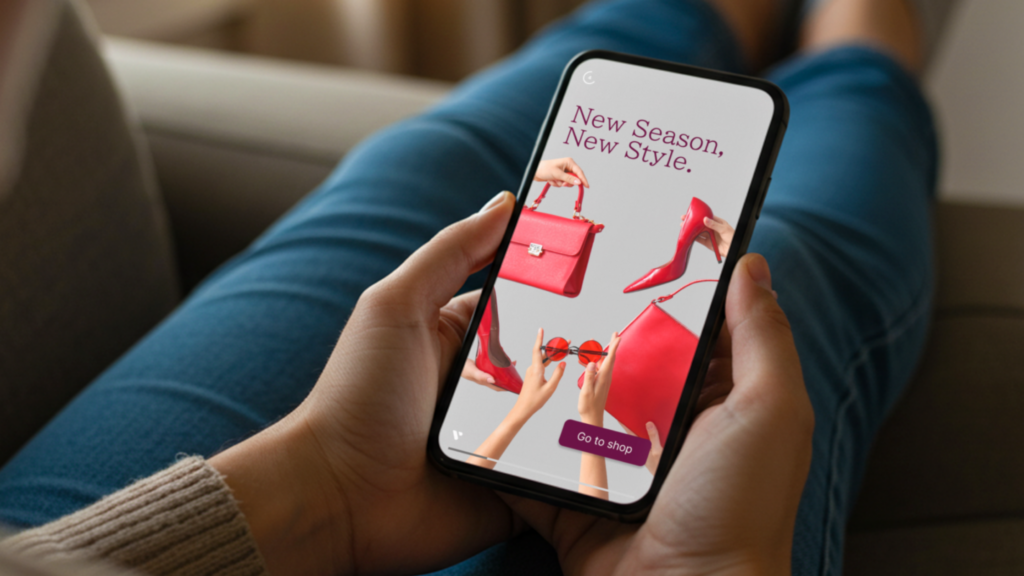
If you’re looking for a format that moves the needle on revenue quickly, Interstitials (full-screen ads) are unparalleled. In 2026, mobile interstitials have become a gold standard for publishers looking to monetize natural transitions in user behavior.
Why they perform:
-
Total Attention: Unlike a banner that occupies 10% of the screen, an interstitial occupies 100%. This eliminates “banner blindness” entirely.
-
Higher CPMs: Data from Yango Ads indicates that interstitials can command CPMs roughly 71% higher than standard banner placements. While a banner might fetch $2.50, an interstitial can easily push toward the $4.50–$4.80 range.
-
Strategic Timing: By appearing at “natural breaks”—such as when a user finishes an article or moves to a new page—they respect the user flow more than intrusive pop-ups, leading to higher engagement without the same level of frustration.
3. The Mobile Specialist: The 320×100 Large Mobile Leaderboard/Sticky
On mobile, real estate is expensive. While the 300×50 “leaderboard” used to be the standard, the 320×100 (Large Mobile Banner) has taken its place as the top-performing mobile format.
Why it performs:
-
Twice the Space: It offers double the vertical height of a standard mobile leaderboard banner, allowing for much more compelling call-to-action (CTA) buttons and imagery.
-
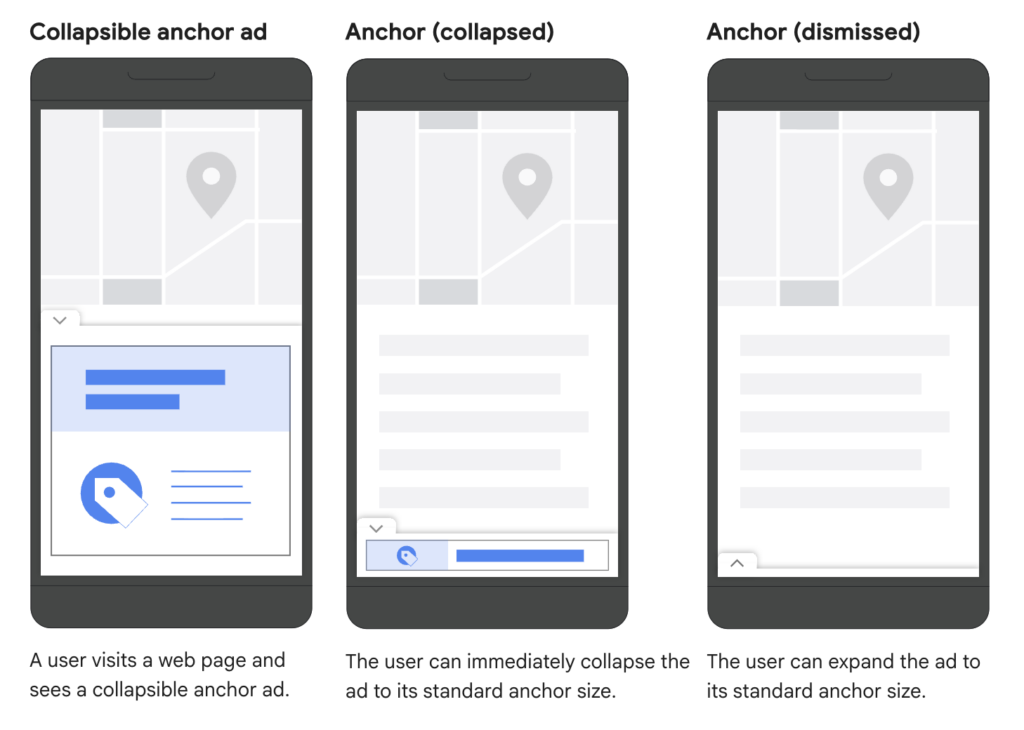
Better Viewability: It’s large enough to be noticed but small enough to remain “anchored” to the bottom of a screen (sticky ads) without ruining the mobile browsing experience.
-
High Fill Rates: Like the 300×250 on desktop, the 320×100 is a “universal” size that nearly all mobile demand sources prioritize.
PRO TIP: If you use Google Ad Manager, the industry standard for web ads management, you can make this particular format collapsible. Hence, it will initially appear like an MPU from the bottom of the screen but will be collapsible to a 320×100 size. See image below:
4. The Growth Leader: Native Advertising
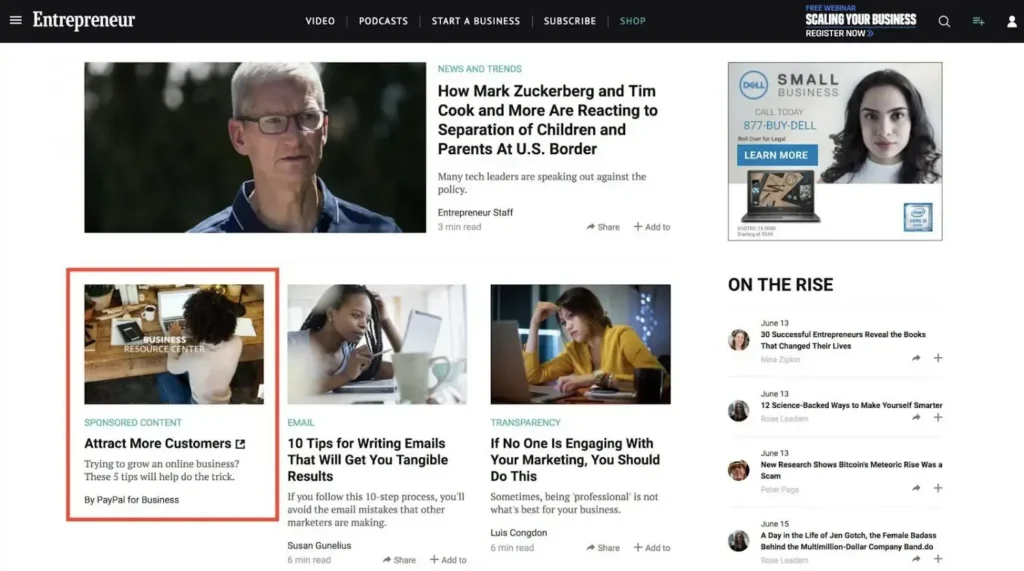
Native ads are designed to “blend in” with the editorial look and feel of your website. Whether it’s a “Recommended for You” widget at the bottom of a post or a sponsored article in your feed, native is projected to hit $116 billion in spend by the end of 2025 in the U.S. alone.
Why it performs:
-
Trust Factor: Because native ads don’t look like traditional ads, users are significantly more likely to engage with them. Studies show that consumers trust brands that utilize user-generated content (UGC) or native-style ads up to 84% more than studio-produced banners.ssss
-
Higher CTR: Native placements typically achieve click-through rates that are 4x to 5x higher than traditional display ads.
-
Ad-Blocker Resilience: Because they are integrated into the content flow, native ads are often more difficult for traditional ad-blockers to identify and strip away compared to standard “AdX” tags.
The “Why” Behind the Success: User Experience (UX)
The common thread among all top-performing formats in 2026 is relevance and respect. Advertisers are moving away from formats that “trick” users into clicking. Instead, they are paying a premium for formats that provide a Clear Value Proposition within 2–3 seconds. Whether it’s an interstitial that respects a natural break or a native ad that provides genuine value, the ads that perform best are the ones that treat the user like a human, not just an “impression.”
If you are still relying on a single 728×90 banner at the top of your site, you are likely leaving thousands of dollars on the table. By diversifying into high-impact formats like video and interstitials, you don’t just increase your revenue—you future-proof your business in an increasingly competitive digital world.
Leave a Reply